Modern vehicles rely on interconnected electronic systems to manage everything from fuel delivery and transmission performance to braking, emissions and driver assistance features. When something goes wrong, identifying the cause is not always as simple as checking the part that appears faulty. Professional diagnostic equipment gives
mechanics in Tamworth access to vehicle data that can help pinpoint problems more accurately. Combined with mechanical knowledge, diagnostic testing can reduce guesswork, identify hidden faults and guide repairs towards the underlying cause rather than simply treating symptoms.
Why Modern Vehicles Need Professional Diagnostics
Vehicle technology has changed significantly, with many functions now controlled or monitored by electronic modules. Sensors continually send information about engine operation, fuel mixtures, temperature, braking, transmission behaviour and other systems. When a fault develops, the vehicle may record information that helps a technician understand what happened and where further investigation is needed. Because modern systems often interact, one issue can sometimes influence several functions, making professional testing useful for narrowing down the source of the problem.
Professional diagnostics can help technicians investigate issues more effectively by:
- Accessing fault information stored by electronic control systems.
- Comparing live vehicle data with expected operating conditions.
- Investigating problems not visible during a basic inspection.
Diagnostic equipment does not replace mechanical experience, but it provides useful information that can be interpreted alongside physical checks to reach a more accurate diagnosis.
How Diagnostic Equipment Communicates with Your Vehicle
Diagnostic scanners connect to a vehicle's onboard computer system and retrieve information recorded by its electronic control modules. This can include fault codes, live sensor readings and operating data from different systems. A fault code usually identifies the system or circuit where an abnormal reading has been detected rather than automatically identifying the exact component requiring replacement. Technicians can then combine this data with physical testing to determine whether the issue involves a sensor, wiring, connection or mechanical component.
For drivers searching for a
car service near me, professional diagnostics can provide useful information such as:
- Stored codes showing where further investigation should begin.
- Live readings showing how components behave while operating.
- Data that can be compared with physical tests before repairs are recommended.
Interpreting this information correctly helps ensure repairs are based on evidence rather than assumptions about what a fault code means.
What Diagnostic Testing Can Detect: Engine, Transmission, Brakes & Electrical Systems
Professional diagnostic testing can provide insight into many systems throughout a modern vehicle. Engine management problems may involve ignition, fuel delivery, emissions equipment or sensors. Transmission systems can store information about shifting irregularities, while braking systems may record faults involving ABS components or wheel-speed sensors. Electrical problems can also produce stored faults or abnormal readings. Several symptoms may sometimes be connected to one underlying issue, so testing helps determine whether faults are related or require separate investigation.
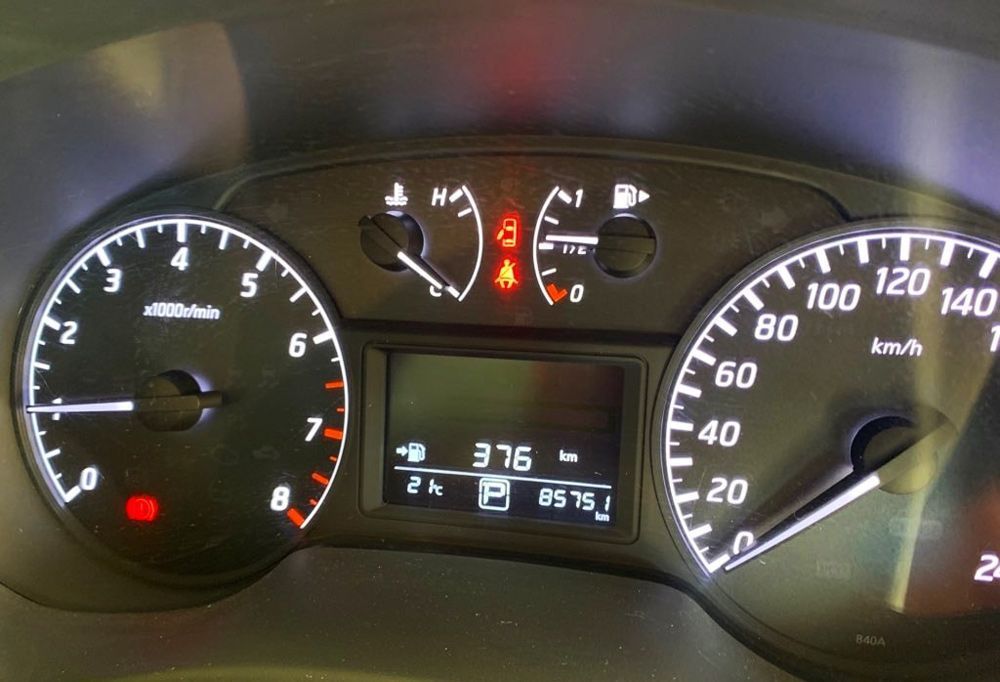
Drivers should pay attention when
dashboard warning lights appear because they may point to issues involving:
- Engine management, emissions or charging systems.
- Transmission, stability control or braking functions.
- Sensors, electronic modules or electrical circuits.
Not every warning light indicates a major failure, but professional testing can reveal what triggered it and whether further inspection or repair is required.
How Accurate Diagnostics Reduce Unnecessary Repairs & Costs
Replacing parts without confirming the source of a fault can lead to unnecessary expense while leaving the original problem unresolved. Accurate diagnostic procedures narrow the investigation so technicians can focus on the affected system and verify the cause before recommending repairs. This is valuable when several faults can produce similar symptoms, such as rough running, poor acceleration or intermittent starting issues. A structured process can also reveal whether a problem comes from a failed component, damaged wiring or a poor electrical connection.
Experienced mechanics in Tamworth can use diagnostic information to improve repair accuracy by:
- Avoiding replacement of serviceable components based only on symptoms.
- Identifying related faults that may contribute to the problem.
- Prioritising repairs according to the vehicle's actual condition.
This approach can make repairs more efficient by creating a clearer path from the initial complaint to the work genuinely required.
When Should You Book a Diagnostic Test?
Diagnostic testing is useful whenever a vehicle develops unusual behaviour that cannot be explained through routine maintenance alone. Changes in performance, starting difficulties, reduced fuel efficiency or intermittent electrical faults can all justify further investigation. Testing may also be appropriate before a long journey or when assessing a used vehicle with an uncertain maintenance history. Problems that return after being temporarily cleared should be investigated so the underlying cause can be identified rather than simply resetting the warning.
Regular
logbook servicing can identify many maintenance needs, but diagnostic testing may be worthwhile when you notice:
- Warning messages, rough running or unexplained performance changes.
- Intermittent faults that disappear and return.
- Unusual transmission, braking or electrical behaviour.
Booking an assessment when these symptoms appear can provide clearer information about what needs attention and reduce the risk of an unresolved fault developing further.
Why Choose a Qualified Mechanic with Professional Diagnostic Tools
A diagnostic scanner is only one part of the repair process. The technician using it must understand how vehicle systems interact, how to interpret fault information and how to confirm a suspected problem through further testing. This matters because the same fault code can sometimes have several possible causes. Knowledge of vehicle systems also helps technicians decide which checks should follow, reducing the chance of replacing parts before the source has been confirmed. Diagnostic equipment is most effective when used alongside practical mechanical knowledge and hands-on testing.
A qualified mechanic can use diagnostic information to guide several important checks:
- Review stored fault codes and compare them with live vehicle data.
- Carry out physical tests to confirm whether a component is faulty.
- Check for related issues that may affect a
roadworthy certificate, sale or change of ownership.
This combination of diagnostic equipment and practical expertise provides a more reliable foundation for repair decisions than simply reading a fault code.
Book a Car Service Near Me in Tamworth
Reliable vehicle diagnostics can make the difference between replacing parts unnecessarily and addressing the actual cause of a problem. Whether your vehicle has developed an intermittent fault, unusual performance or an unexplained warning, professional testing can provide valuable information before repairs begin. It can also give vehicle owners a clearer understanding of what needs attention and what work may be required.
We at Chester's Mechanical & Performance use professional diagnostic equipment alongside practical mechanical expertise to investigate faults and support accurate repairs for drivers throughout Tamworth and the surrounding New England region. If you need experienced
mechanics in Tamworth to assess a vehicle concern, arrange servicing or investigate a warning light,
contact our workshop to book an inspection and determine the appropriate next step.