Brake Repair Warning Signs Every Tamworth Driver Should Know
Brakes are one of the most important safety systems in any vehicle, yet many drivers only notice something is wrong once the symptoms become too obvious to ignore. Whether you’re navigating school zones, travelling along country roads or managing heavy loads for work, your brakes need to respond instantly and reliably every time you touch the pedal.
Understanding the early warning signs of brake trouble can help prevent breakdowns, avoid costly repairs and most importantly, keep you and your passengers safe.
Experienced mechanics in Tamworth often see the same brake issues repeated — most of them caused by wear that has gone unnoticed for too long. The good news is that most brake problems reveal themselves through clear, early indicators. In this guide, we’ll explore the warning signs you should never ignore and why timely inspection is critical for both city commuters and rural drivers who face longer distances and tougher operating conditions.
Why Paying Attention to Brake Issues Matters
Brakes work through a combination of hydraulic pressure, friction material and mechanical components. If even one part begins to fail, overall stopping power drops quickly. This can be especially dangerous on rural roads where speeds are higher and stopping distances longer, or in busy areas where you may need to brake suddenly.
Addressing brake issues early helps you:
- Avoid dangerous situations and reduce stopping distances
- Prevent damage to other components such as rotors or callipers
- Avoid the cost of full system replacements
- Maintain smooth, predictable braking performance
- Extend the life of your brake system with regular maintenance
Whether you drive a small hatchback, a family SUV, a work ute or a farm vehicle, brake reliability should always be a priority.
1. Strange Noises When Braking
One of the earliest warning signs of brake trouble is unusual noise. These sounds happen because brakes rely on friction, and as components wear down, they begin to vibrate or grind.
Common noises include:
Squeaking or Squealing
This is often the first sign of worn brake pads. Many pads are designed with wear indicators that make a squealing noise to alert you that replacement is due soon.
Grinding
A grinding sound usually means the brake pads are completely worn through, causing metal-to-metal contact. This can damage the rotors and lead to expensive repairs.
Clicking or Clunking
This may indicate that hardware is loose or the pads are not secured properly in their housing.
Any of these noises warrant a prompt check by local professionals. Skilled mechanics in Tamworth can quickly diagnose the cause and prevent small issues from becoming major ones.
2. Dashboard Brake Light Warning
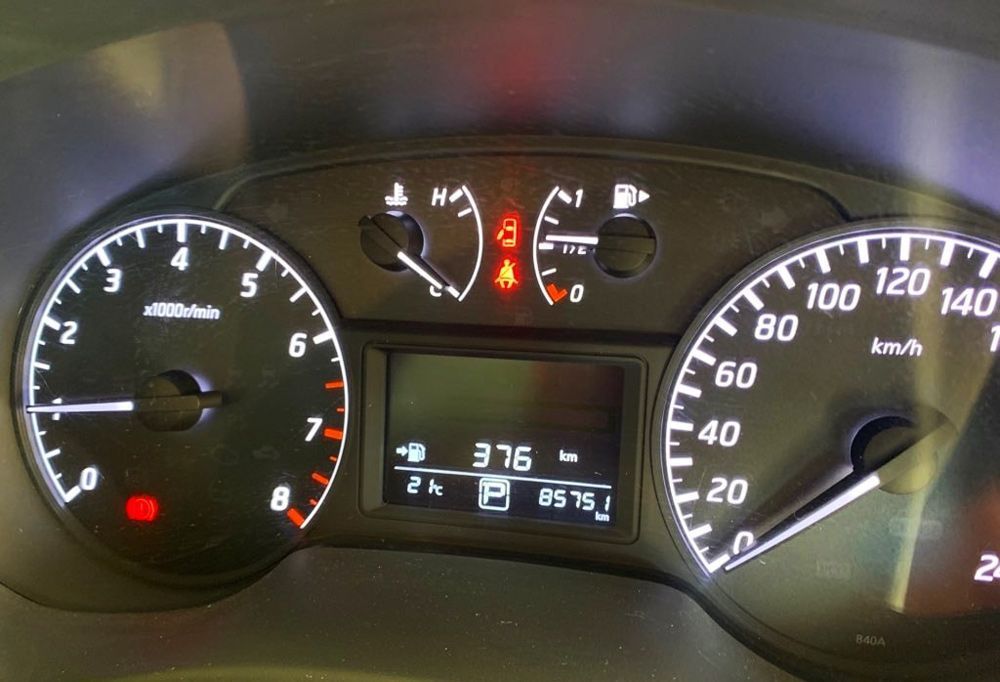
Most modern vehicles include dashboard alerts that indicate when part of the braking system needs attention. This could be the ABS (Anti-lock Braking System) warning light, the general brake light or an alert relating to low brake fluid.
When a light appears, it may indicate:
- Low brake fluid levels
- Worn brake pads
- ABS faults
- Sensor issues
- Problems in the hydraulic system
These lights illuminate for a reason, and ignoring them can put your safety at risk. A quick inspection can determine whether the warning is minor or a sign of a more serious underlying problem.
3. Soft, Spongy or Sinking Brake Pedal
A brake pedal that feels softer than usual, sinks too far or requires pumping before it engages properly is a sign of trouble in the hydraulic system. This issue can quickly become dangerous.
Common causes include:
- Air in the brake lines
- A brake fluid leak
- Worn seals in the master cylinder
- Contaminated brake fluid
Soft or spongy pedal feel should never be ignored. If you notice the pedal sinking toward the floor, the vehicle becomes unsafe to drive and should be inspected immediately.
4. Vibrations or Shaking When Braking
If your steering wheel or brake pedal vibrates when you slow down, this usually points to problems with the brake rotors or wheel alignment. Warped rotors cause the pads to grip unevenly, producing feels of shaking through the pedal or wheel.
Vibrations may indicate:
- Rotor warping from heat or wear
- Uneven brake pad surfaces
- Loose or worn suspension components
- Tyre issues affecting braking stability
For vehicles used heavily on rural properties or long-distance routes, vibrations can worsen quickly due to dust, terrain or frequent braking under load.
5. Pulling to One Side
If your car pulls left or right when braking, it may be a sign that one side of the braking system isn’t working as effectively as the other. This not only affects brake performance but can make the vehicle more difficult to control.
Pulling may be caused by:
- Uneven brake pad wear
- Sticking callipers
- Collapsed brake hoses
- Issues in the suspension system affecting brake response
Because pulling reduces your ability to maintain straight-line control, it’s important to get it checked as soon as possible.
6. Burning Smell After Braking
A strong chemical or burning smell after heavy braking is a sign that the brakes are overheating. This is especially common when towing, descending steep hills or carrying heavy loads.
Overheated brakes may lead to:
- Brake fade (loss of stopping power)
- Damage to seals and brake fluid
- Cracked or warped rotors
If you experience brake fade, pull over as soon as it is safe to do so and allow the system to cool. If the smell occurs regularly, you should have the brakes inspected.
7. Increased Stopping Distance
If your vehicle takes longer than usual to come to a halt, you may be experiencing reduced braking efficiency. This is one of the most serious symptoms and may result from multiple underlying issues such as worn pads, fading fluid, damaged rotors or hydraulic problems.
Long stopping distances pose an especially high risk for rural drivers who travel at higher speeds or carry heavy work equipment.
The Importance of Timely Brake Inspections
Regular brake inspections are the best way to prevent breakdowns and keep your vehicle safe. Tamworth drivers, particularly those who commute long distances or use their vehicle for work or farming, often place more strain on their brakes than city drivers.
Routine checks help ensure:
- Brake pads and rotors are in good condition
- Hydraulic systems are functioning properly
- Fluid levels and quality are maintained
- ABS components are operating as they should
- Undetected wear doesn't lead to costly repairs later
A qualified technician can identify small issues before they turn into major faults.
Why Choosing Local Professionals Matters
Brake systems require technical knowledge, specialist tools and an understanding of how the vehicle behaves under different conditions. Choosing skilled mechanics in Tamworth ensures your vehicle is serviced by professionals familiar with local driving needs — from rural roads and towing demands to school morning traffic and highway conditions.
Working with a trusted mechanic means you benefit from:
- Accurate diagnosis of brake issues
- Transparent advice on repair options
- High-quality parts and workmanship
- Convenient service for busy families and workers
- Peace of mind knowing your vehicle is safe
Local expertise makes a noticeable difference, especially for drivers who rely heavily on their vehicles every day.
Keep Your Brakes Safe and Reliable With a Local Expert
We at
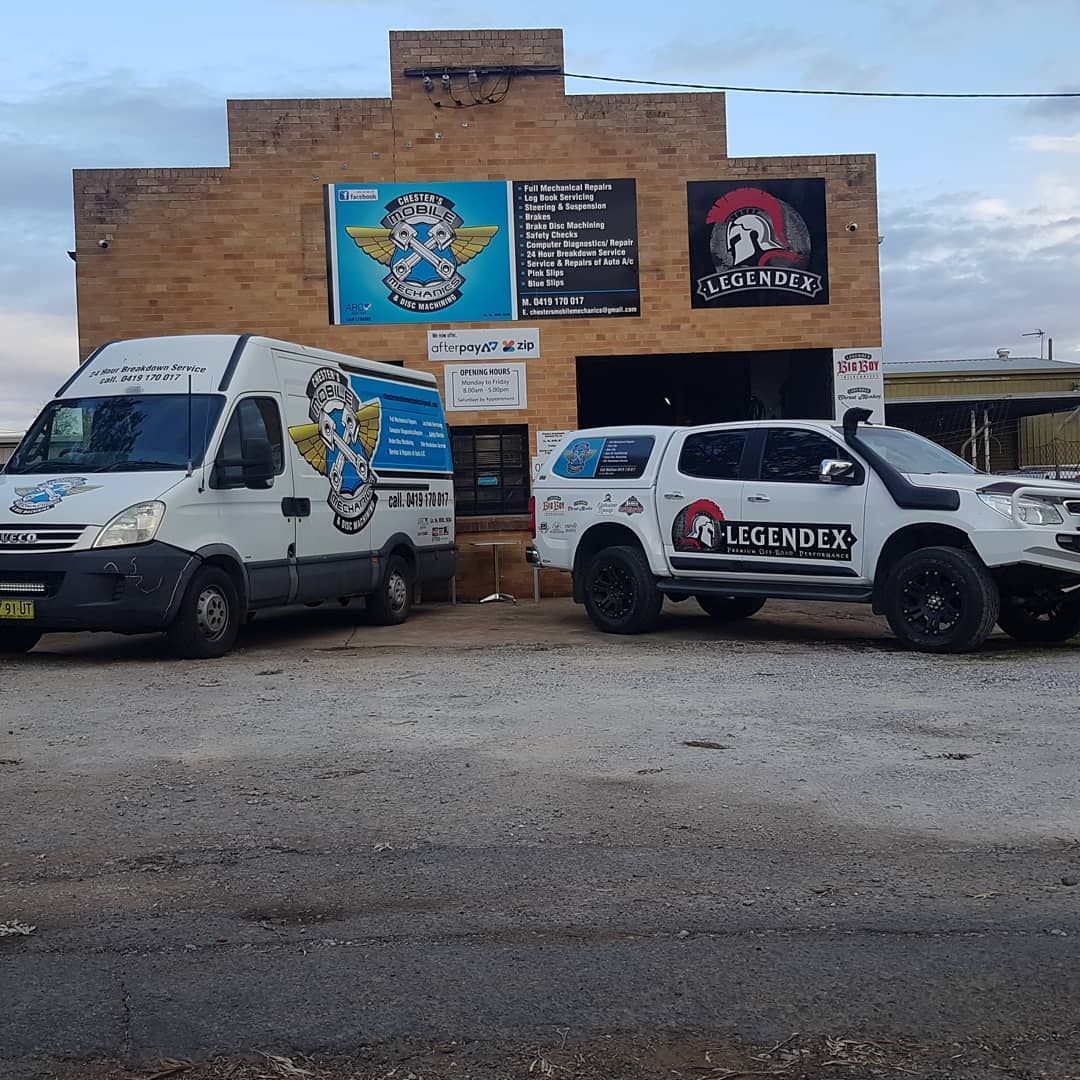
Chester's Mechanical & Performance understand how important dependable braking is for the safety of your family, your passengers and everyone on the road in the Tamworth region. Whether you’ve noticed unusual noises, vibrations, dashboard warnings or changes in pedal feel, our team can inspect, diagnose and repair your
brakes to restore safe performance. Visit our website to
book a brake inspection and ensure your vehicle stays reliable wherever your day takes you.