Common Vehicle Problems Tamworth Mechanics Fix Every Day
Most drivers rely on their vehicles every day without giving much thought to what keeps them running smoothly. Starting the engine, driving to work, running errands, or travelling longer distances often becomes routine. Yet every vehicle contains hundreds of moving parts working together under pressure and over time these components inevitably experience wear.
Mechanical problems rarely appear without warning. Small signs such as unusual noises, warning lights, or reduced performance often indicate that something within the vehicle requires attention. When these signs are ignored, minor issues can develop into larger mechanical failures.
Mechanics deal with these situations regularly. Many of the problems drivers encounter are common across a wide range of vehicles regardless of brand or model. Through regular servicing, diagnostics, and repairs, mechanics help identify these issues and restore vehicles to safe operating condition.
Understanding the most frequent problems mechanics encounter can help drivers recognise symptoms earlier and take action before a breakdown occurs.
When Your Car Refuses to Start and the Issue Isn’t Always the Battery
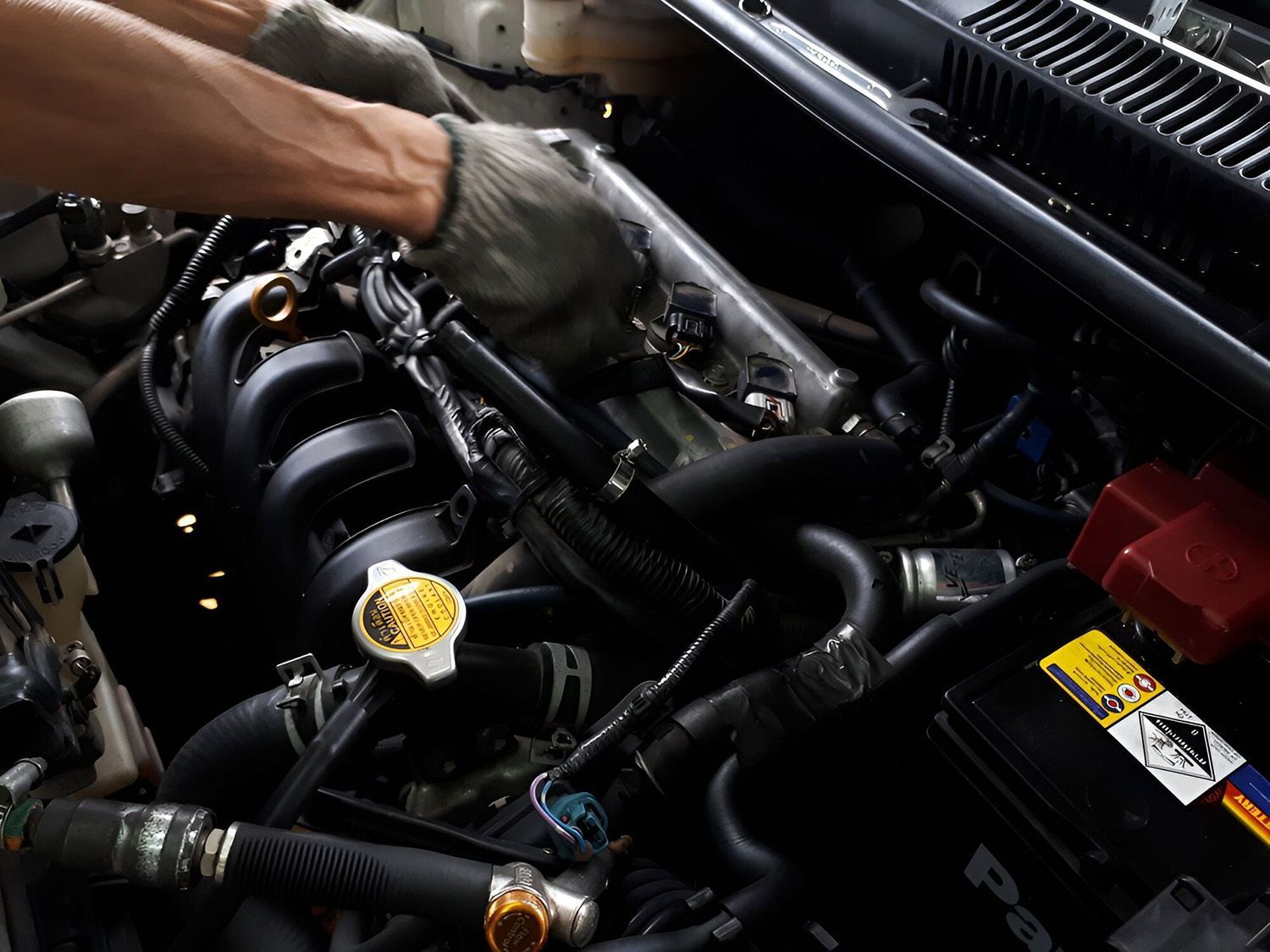
A vehicle that refuses to start is one of the most common reasons drivers contact a mechanic. In many cases, a flat or failing battery is responsible. However, the starting system involves several components that must work together for the engine to turn over properly.
When a vehicle does not start, mechanics begin by assessing the starting system as a whole rather than assuming a single cause. Electrical connections, charging systems, and ignition components can all influence whether the engine starts successfully.
Typical areas inspected during starting system diagnosis include:
- Battery condition and charge level
- Battery terminals and electrical connections
- Starter motor performance
- Alternator output and charging capability
By systematically testing these components, mechanics can identify the root cause of the problem and restore reliable engine starting.
Strange Engine Noises That Signal It’s Time for Professional Inspection
Engines naturally produce a variety of sounds while running. However, new or unusual noises often indicate that a component is experiencing wear or mechanical stress.
Drivers may notice knocking sounds during acceleration, ticking noises while the engine idles, or rattling that occurs when driving over uneven surfaces. While these noises may seem minor at first, they can signal underlying mechanical problems that require attention.
When investigating unusual engine sounds, mechanics often check areas such as:
- Engine oil levels and lubrication systems
- Timing components and belts
- Loose engine components or brackets
- Internal engine wear affecting performance
Identifying the source of these sounds early allows repairs to be completed before further damage occurs.
Dashboard Warning Lights That Drivers Should Never Ignore
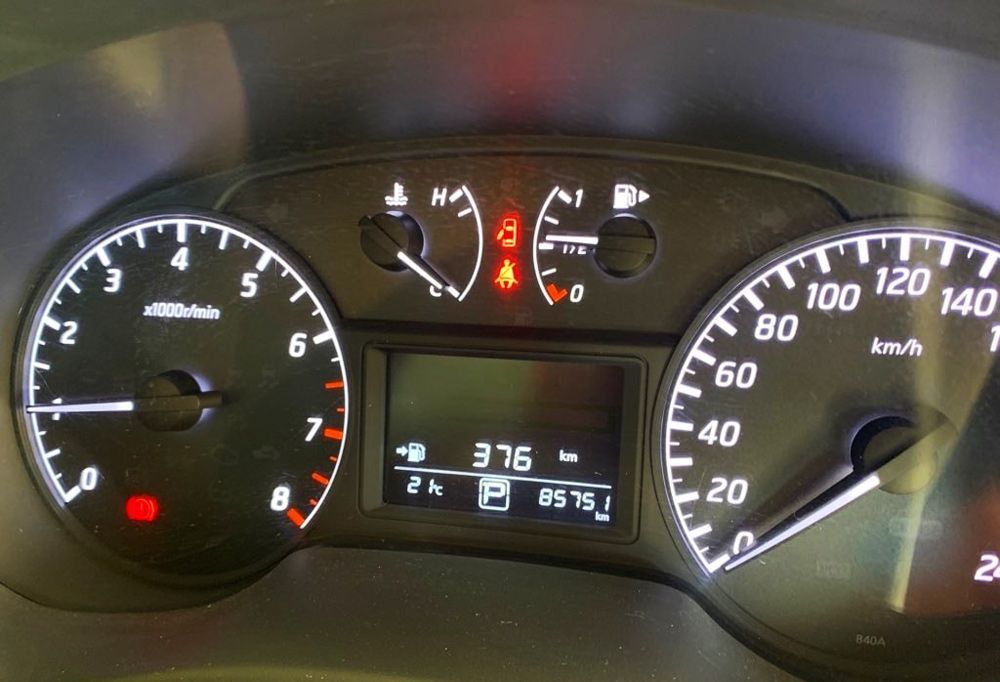
Modern vehicles include advanced electronic monitoring systems designed to detect mechanical or electrical issues. When a system identifies a fault, the driver is alerted through dashboard warning lights.
Some warning lights indicate routine maintenance needs, while others signal issues that require immediate attention. Because these alerts originate from the vehicle’s onboard computer, specialised diagnostic equipment is often required to determine the exact cause.
Mechanics connect diagnostic tools to the vehicle’s computer to retrieve fault codes and analyse system data.
These diagnostics may identify problems involving:
- Engine performance and emissions systems
- Sensor malfunctions affecting engine operation
- Braking or traction control systems
- Electrical faults within vehicle electronics
This technology helps mechanics locate problems efficiently and guide the repair process.
Brake Problems That Affect Stopping Power and Driving Safety
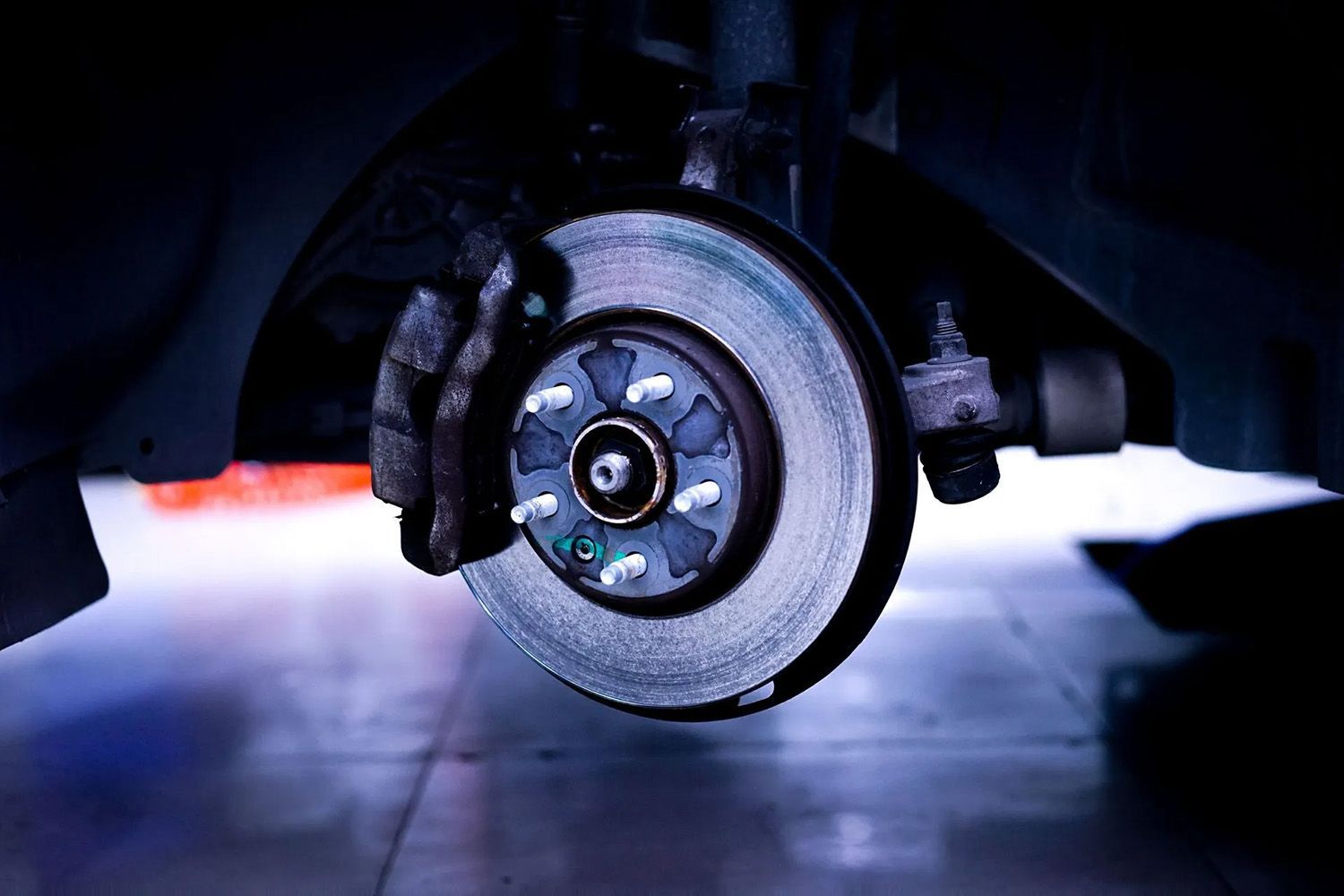
The braking system is one of the most critical safety components of any vehicle. Brake pads gradually wear down as they create friction against brake discs during normal driving.
Drivers often notice early signs of brake wear through sounds or changes in braking performance. Squealing noises, vibrations when braking, or increased stopping distances can indicate that the braking system requires inspection.
During brake servicing, mechanics typically evaluate:
- Brake pad thickness and wear levels
- Brake discs for scoring or damage
- Brake fluid condition and levels
- Calipers and braking components
Regular brake inspections help ensure that the system continues to provide reliable stopping performance.
Engine Overheating and Cooling System Issues That Drivers Encounter
The cooling system plays an essential role in maintaining engine temperature. Engines generate significant heat during operation and without effective cooling this heat can lead to serious damage.
Overheating may occur gradually or appear suddenly during driving. Drivers may notice rising temperature readings, steam from the engine bay, or coolant leaks beneath the vehicle.
Mechanics usually investigate several cooling system components when diagnosing overheating problems.
Cooling system inspections may involve checking:
- Coolant levels and coolant condition
- Radiator efficiency and airflow
- Hoses and connections for leaks or damage
- Thermostat and water pump operation
Maintaining the cooling system ensures that the engine operates within a safe temperature range.
Suspension and Steering Problems That Affect Vehicle Handling
The suspension system absorbs road impacts and keeps the vehicle stable while driving. Over time, suspension components can wear out due to constant movement and exposure to road conditions.
When suspension components begin to deteriorate, drivers may notice a change in how the vehicle handles. The ride may feel less comfortable, steering may become less precise, or tyres may wear unevenly.
Mechanics inspect suspension and steering systems to ensure the vehicle remains stable and safe.
Typical suspension inspections include checking:
- Shock absorbers and struts
- Suspension bushings and joints
- Steering linkages and components
- Wheel alignment related to suspension wear
Addressing these issues can improve vehicle comfort and maintain safe handling characteristics.
Electrical Faults That Interfere with Modern Vehicle Systems
Vehicles now rely heavily on electrical systems to control everything from engine performance to lighting and safety features. While these systems improve efficiency and performance, they also introduce additional complexity.
Electrical problems can appear in various forms. Drivers may experience intermittent starting issues, malfunctioning lights, dashboard errors, or problems with electronic accessories.
Mechanics approach electrical diagnostics methodically to identify faults within the system.
Common electrical inspections include checking:
- Battery and charging system performance
- Wiring connections and electrical circuits
- Vehicle sensors and control modules
- Fuses and relays that regulate electrical flow
Identifying electrical faults accurately helps restore the reliability of the vehicle’s systems.
Regular Servicing That Prevents Many of These Problems Altogether
Many mechanical issues develop gradually over time rather than appearing suddenly. Routine servicing helps identify these developing problems before they lead to breakdowns.
During scheduled maintenance, mechanics inspect key components, replace worn parts, and ensure fluids are maintained at appropriate levels. This preventative approach allows small issues to be addressed early.
Routine servicing commonly includes tasks such as:
- Replacing engine oil and filters
- Inspecting brakes and suspension components
- Checking coolant levels and system condition
- Testing battery performance and electrical systems
Regular servicing not only improves reliability but also helps extend the lifespan of the vehicle.
We at Chester's Mechanical & Performance understand the types of mechanical issues drivers encounter throughout everyday vehicle use. From diagnosing engine problems to carrying out routine maintenance, our team provides practical support for motorists seeking reliable mechanics in Tamworth.
If your vehicle is showing signs of mechanical trouble or requires regular maintenance, visit https://www.chestersmobilemechanics.com.au/ to arrange a service with experienced mechanics Tamworth drivers rely on. Our team works with motorists across Tamworth, helping keep vehicles operating safely and reliably in both daily commuting and regional driving conditions.